PLASTERING
Plastering of the walls, which involves filling and smoothing of surfaces, can be done by ourselves. However, no one does it better than an experienced construction crew who can select building materials accurately for various plastering works. Removal of defects and smoothing of the surfaces make the walls ready for painting or wallpapering.
What is wall plastering and what is it used for?
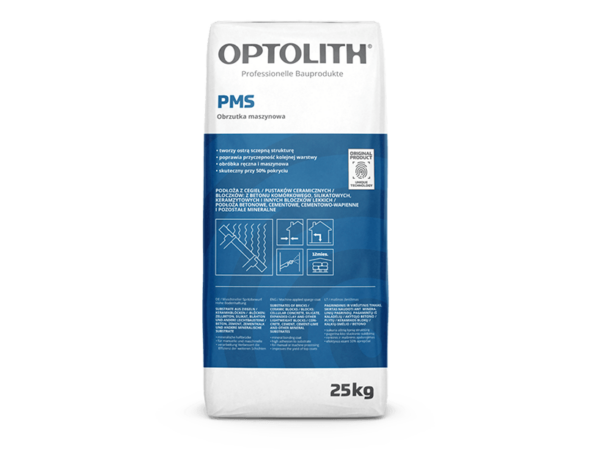
Plasterworks are carried out in order to achieve a perfectly smooth surface that is ready for application of the final finishing coat. Gypsum smoothing or gypsum plaster is usually chosen for that. Plastering can be used to smooth out cement and cement-lime plaster, as well as concrete surfaces. On the other hand, gypsum plaster is used on mineral substrates such as ceramic brick, lime-sand brick, concrete (ordinary and cellular) and chip-cement board. However, it should be borne in mind, that gypsum plaster is not recommended for rooms with high humidity. In case of highly absorbent walls, e.g., made of cellular concrete, the substrate should be primed to even out the absorbency before plastering (for more see Optogrunt by Optolith®).
Plastering and smoothing of the walls
Once the surface has been primed, and any defects removed, the levelling compound should dry well. Once dried, the gypsum plastering compound should be applied to the entire wall surface, using a wide trowel. In this case, you can also choose a ready-made product or one intended to be mixed with water. The loose mortar should be mixed with water in proportions recommended by the manufacturer, gradually adding powder to water until a lump-free consistency is obtained. It is not recommended to prepare too much mortar, as it is not suitable for use after hardening. The prepared smoothing mass is applied on a wide trowel and spread over the entire wall surface. In case of gypsum plaster, you can also use a wide trowel, but a plastering machine will be better for this purpose. The machine also makes it easier to prepare the mixture. A perfectly even surface is achieved after the layer of plaster has dried. You should also sand it. To do this, sandpaper with a grain size of 100-150, and a special sanding trowel or sanding block, is used. Above all, a halogen lamp pointed at the wall can also be helpful. Thanks to the lamp, all the tiniest irregularities will be illuminated and clearly visible.
OPTOMUR by Optolith® provides you with healthy walls
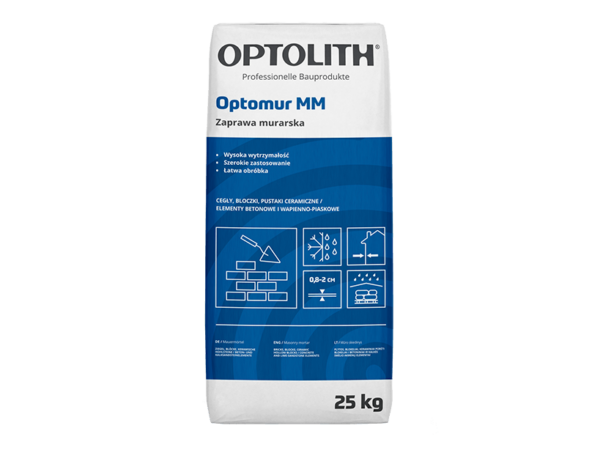
The Optomur range consists of plasters used in the system called “Healthy Walls System®”.
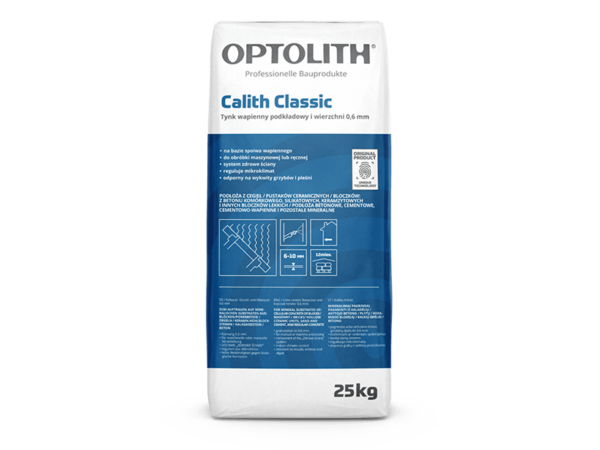
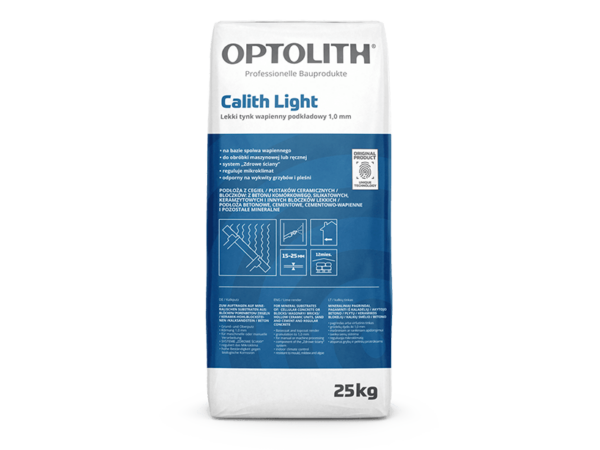
Traditional lime plasters create durable and sturdy coats. Thanks to its chemical properties, they control the level of humidity. They improve the micro-climate in the room as well.
Lime-based plasters are highly resistant to the development of dangerous mold, fungi, and algae so that the wall surface is clean and healthy.
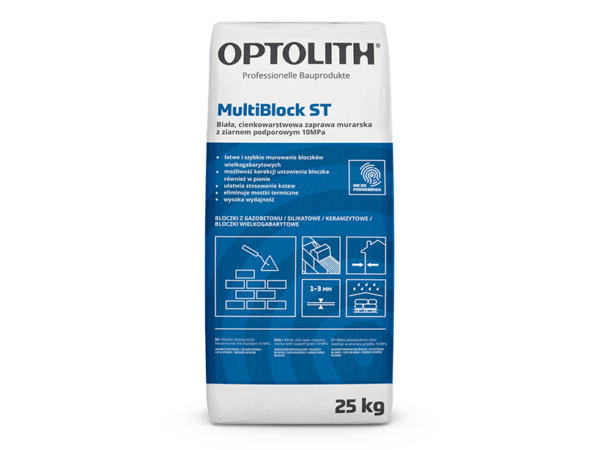
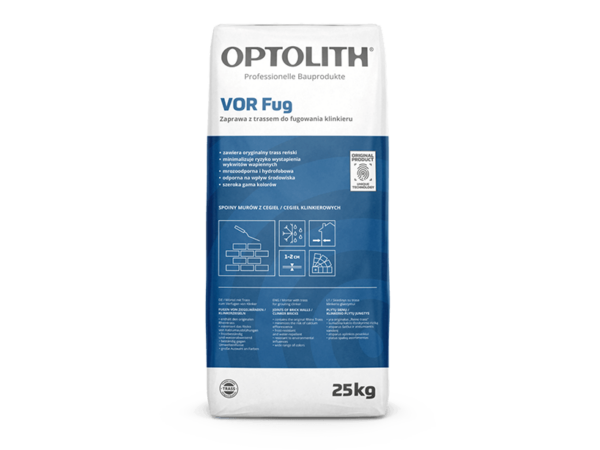
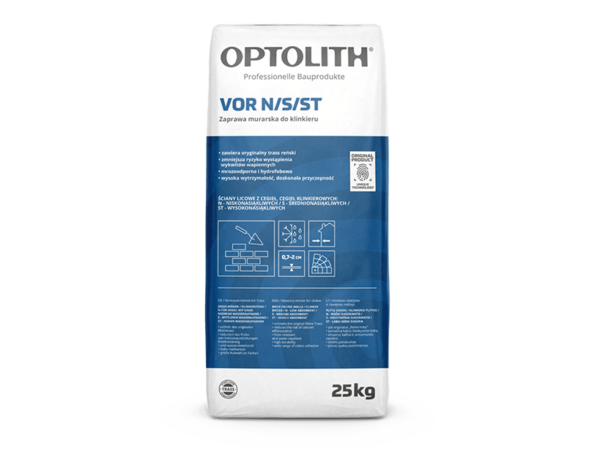
The Optomur range also includes mortars with trass for clinker masonry.
The mortar for clinker masonry contains trass. It strongly binds free lime, which minimises the risk of lime efflorescence.
VOR mixes are characterized by negligible stress. They are also extremely durable and highly resistant to aggressive environmental impact.