SPECIAL OPTOLITH SOLUTIONS
Every space must provide aesthetics and comfort, but also safety and durability of its use. Additional factor, attracting great attention, is ecology. It is, in fact, lack of harmfulness of the adapted solutions and their health-promoting character.
The pressure from growing expectations and requirements of the modern construction industry is being transferred to the manufacturers of building materials. They try to create and supply a range of solutions which fit better with the needs of the market.
Optolith® has responded to these needs by creation of Optotech – the brand of special products.
These materials enable us to create subsequent layers during different stages of the construction process. Nowadays, architects and designers are subject to very high demands from the construction industry.
The expectation to shape a surrounding space, in an increasingly human-friendly and integral way, applies not only to new buildings, but also to the refurbishment of existing edifices.
The Optotech systems comprise a group of products which can be used for:
- repairing of structural concrete, including patios and balconies,
- embedding of load-bearing and supportive elements,
- grouting of sub-structures, and tamping of the high-strength load-bearing layers,
- levelling, reprofiling and repairing of mineral substrates for walls and floors,
- making of subfloors,
- constructing of floors, including industrial resin,
- creating of decorative surface coatings,
- protecting and impregnating of surfaces
SPECIAL MORTARS
Erection of durable and safe buildings require careful and building-art-compliant formation of all subsequent layers. The issue of preparation of substrates should not be forgotten.
The first substrate to be properly prepared, for further works, is the surface for structural elements, especially load-bearing elements. Any possible repair of these structural elements must always be carried out in accordance with applicable standards, regulations, and project guidelines. It is advisable to use safe and top-quality materials which guarantee achievement of the correct strength parameters.
There is often a need to connect or anchor other elements – to load-bearing structure, which will create a support or connector for subsequent layers. It is sometimes necessary to create a strong support for the building’s technical elements. These works require Optotech special mortars, created by Optolith®.
Further layers for shaping floors and walls are usually added on top of the load-bearing elements. It ensures stability and safety of the building. Ultimately, we arrive at a floor layer or a decorative wall surface.
It is important to remember that responsible construction – is the use of robust technologies and materials, which create safe and comfortable space to use.
FLOORING AND DECORATIVE LAYERS
The top layer of a floor or wall (having usually a decorative nature) is not just for aesthetics. In fact, it is going to be used permanently. Therefore, its safety will be determined by an accurate and robust preparation of substrate.
The technical data sheets for decorative finishes generally contain quite detailed requirements and parameters for each substrate.
These include:
- ceramic tiles, especially large format tiles, require a level subfloor,
- parquet boards require a level substrate with a tensile strength > 1.5 MPa and a humidity < 2 %,
- resins require a dry substrate with a moisture content of < 4 %, an even, mechanically-cleaned, and thoroughly-vacuumed substrate with a compressive strength of at least 25 MPa,
- thin-layer PVC flooring requires a dry < 2% (ideally even and strong substrate),
- anhydrite substrate must be treated with a damp-proof primer, just like the gypsum substrate on which tiles are to be installed,
- substrates in wet rooms must be covered with a waterproofing, this must also be done on terraces and balconies,
- the heated floor layer must undergo a soaking cycle,
- an adhesion layer may be required,
- resistance to aggressive environments may also be required.
In view of the above, it must be stressed once again, that responsible, durable, safe, and trouble-free use of decorative layers must be properly prepared, which is a robust preparation of subfloor.
ASSEMBLY MORTARS
Fast strength build-up, short setting time, high bond strength and anchorage security – are defining features of Optotech – special assembly mortars. Optolith® assembly mortars are also characterised by expansiveness of the mix, adjustability of consistency and aggregate dosage.
Cement-based assembly mortars are indispensable materials on every construction site. They are suitable whenever a steel or concrete component needs to be quickly set or anchored in concrete, brick, or stone constructions. They are also used to fill and seal cracks and fissures, to process holes, to fill cavities in concrete, to waterproof or tamp structural elements, to create stable and robust support layers for components and operating equipment. Assembly mortars are also used for pouring over joints of precast elements.
In addition, these mortars are used in “everyday” building works, e.g., when installing windowsills, door frames, balustrades, railings, fence posts, electrical boxes, installation strips, etc.
STRUCTURAL MORTARS
Damaged or degraded reinforced concrete of structural elements always require a specialist repair. The Optotech structural mortar system offers an effective restoration of such elements along with maintaining of their strength and serviceability parameters.
Concrete surfaces are subject to corrosion during the service life of buildings. It is because of aggressive action of various factors (i.e., chemical, biological, physical, mechanical). Damages, caused by concrete corrosion, also lead to corrosion of reinforcement.
These changes may prevent a safe use of structure or its component. In time, it leads to a loss of its load-bearing capacity. Therefore, to preserve use of the structure in accordance with its designation, repairs must be carried out as soon as possible to stop a progressive degradation of the concrete.
In order to successfully repair a reinforced concrete structure, special mortars are needed:
for anchoring of reinforcement,
for securing of the surface of reinforcement,
for securing a proper adhesion of repair mortar, concrete elements, and protective coatings – the so-called “bonding bridge”
EN 1504-3 defines products: for structural repairs, distinguishing between R3 and R4 classes, and for non-structural repairs – R1 and R2 classes.
An important principle, when repairing the reinforced concrete structures, is to select a repair mortar so that its properties and parameters correspond, as closely as possible, to the material in the existing structure.
In structural repair systems, mortars of the PCC type are used, i.e., mineral mortars modified with polymers which ensure: good workability, low mortar shrinkage, low water/cement ratio, passivation of reinforcement surface, improved adhesion, and increased mortar strength parameters.
WALL LEVELLING MORTARS
Contemporary wall finishes and decorative coatings place specific requirements on the substrate layer to which they will be applied. The most important thing is the right level of the substrate.
The structural layer of walls and floors, which is most often uneven, is not the substrate that is suitable for direct application of final and decorative layers. For this reason, intermediate layers are applied to create a suitable substrate, which means that the substrate is even and strong. Optolith® levelling products are ideal for these works. The Optotech product range includes materials for both vertical and horizontal levelling, materials for combined and floating floor bases, filling grouts and thick-layer bases, standard and fast-setting mortars, self-levelling, elasticed, semi-dry, thixotropic mortars, mortars of various strength and grain sizes, etc.
Henceforth, Optolith® offers right levelling solution for every job, and every requirement.
INDUSTRIAL RESINS
In general, resin materials are intended for professional use. The word “professional” in this sense, means a contractor’s awareness of the need to carry out the works in accordance with technology and the art of construction.
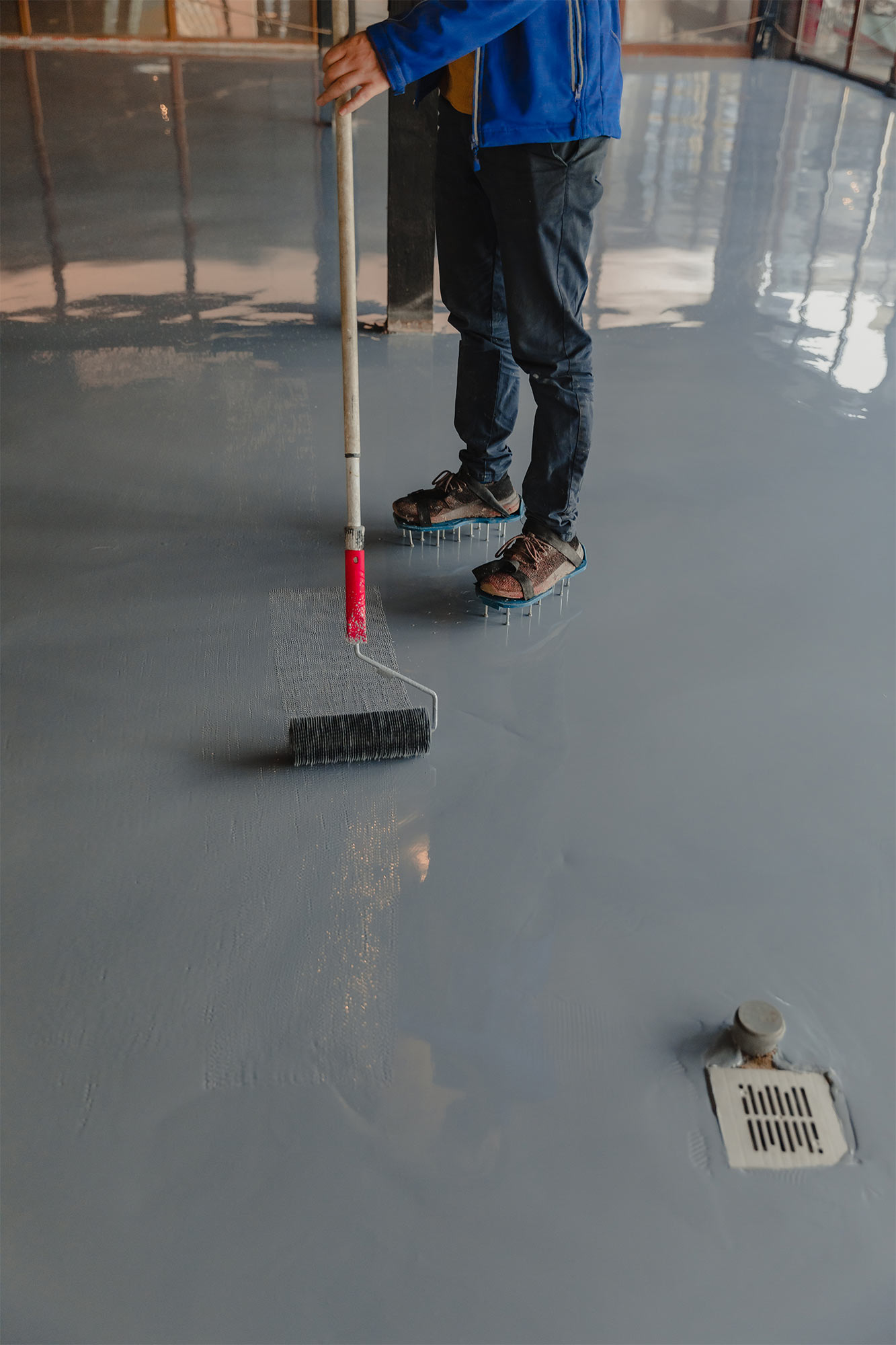
Priming of substrate is an essential stage in proper execution of a resin floor. Resins, subjected to priming, seal mineral substrate by strengthening it on the surface. When applied with fire-dried and quartz aggregate, they improve adhesion of subsequent layers. Epoxy primers, dedicated to steel, improve adhesion to this type of substrate while protecting it against corrosion.
EPOXY RESINS
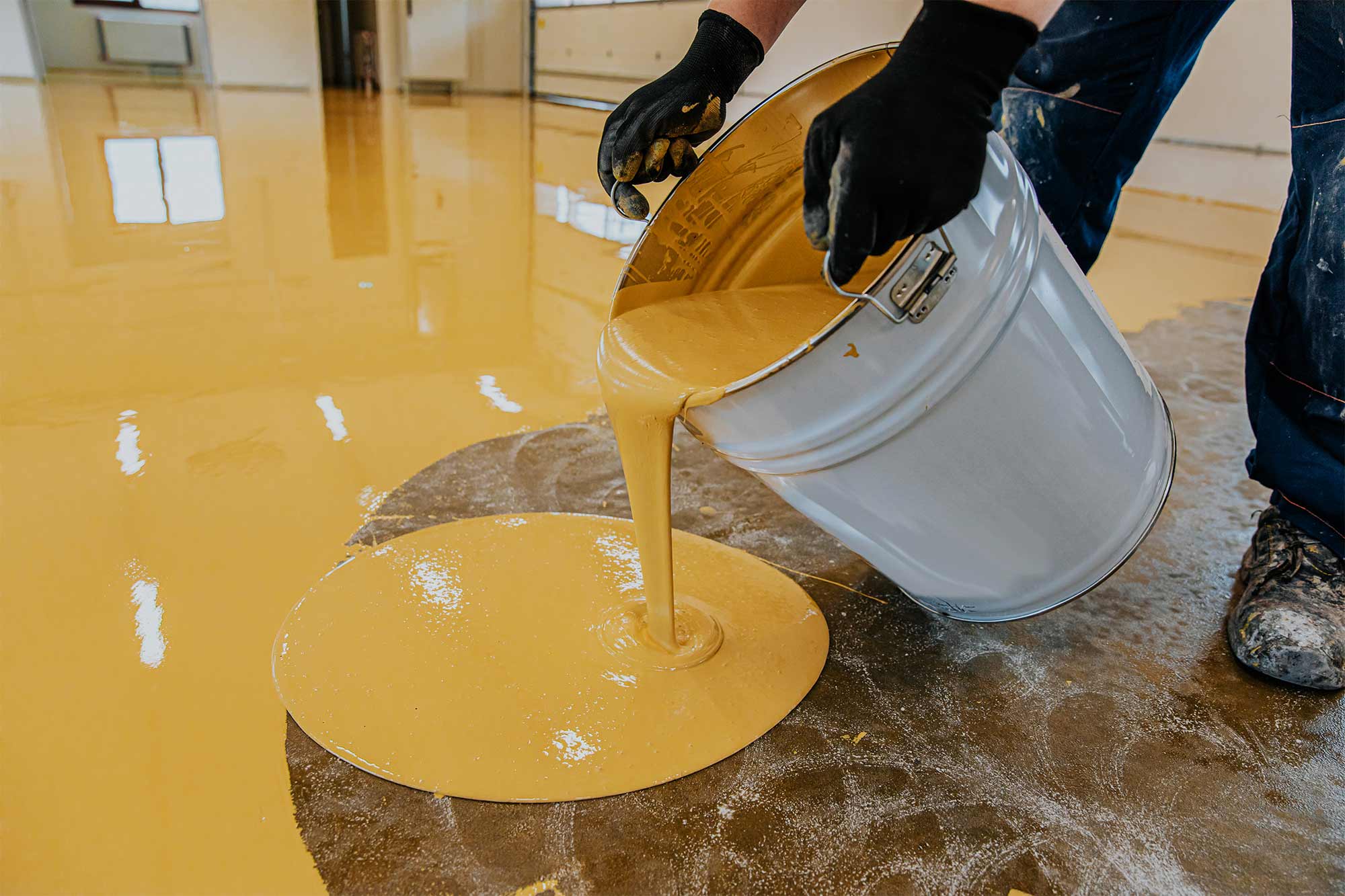
Epoxy resins are synthetic polymer products. They usually form a viscous liquid which, when combined with a hardener, starts to set and becomes non-fusible and insoluble (when fully cured.
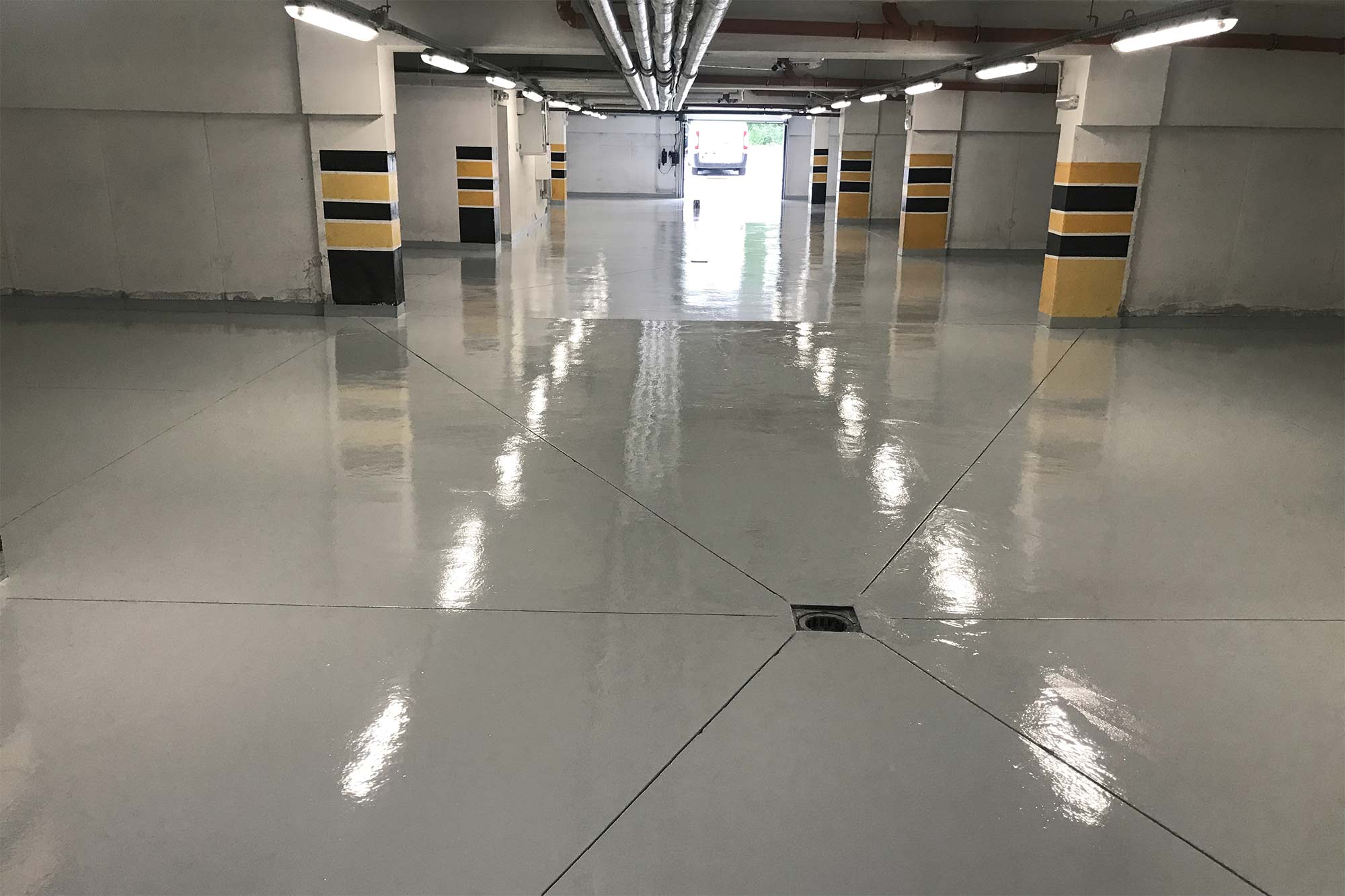
Epoxy resins, due to their properties and high technical parameters, were originally used mainly for flooring in industrial facilities and warehouses. In such areas, they are subject to heavy mechanical loads and highly aggressive environment.
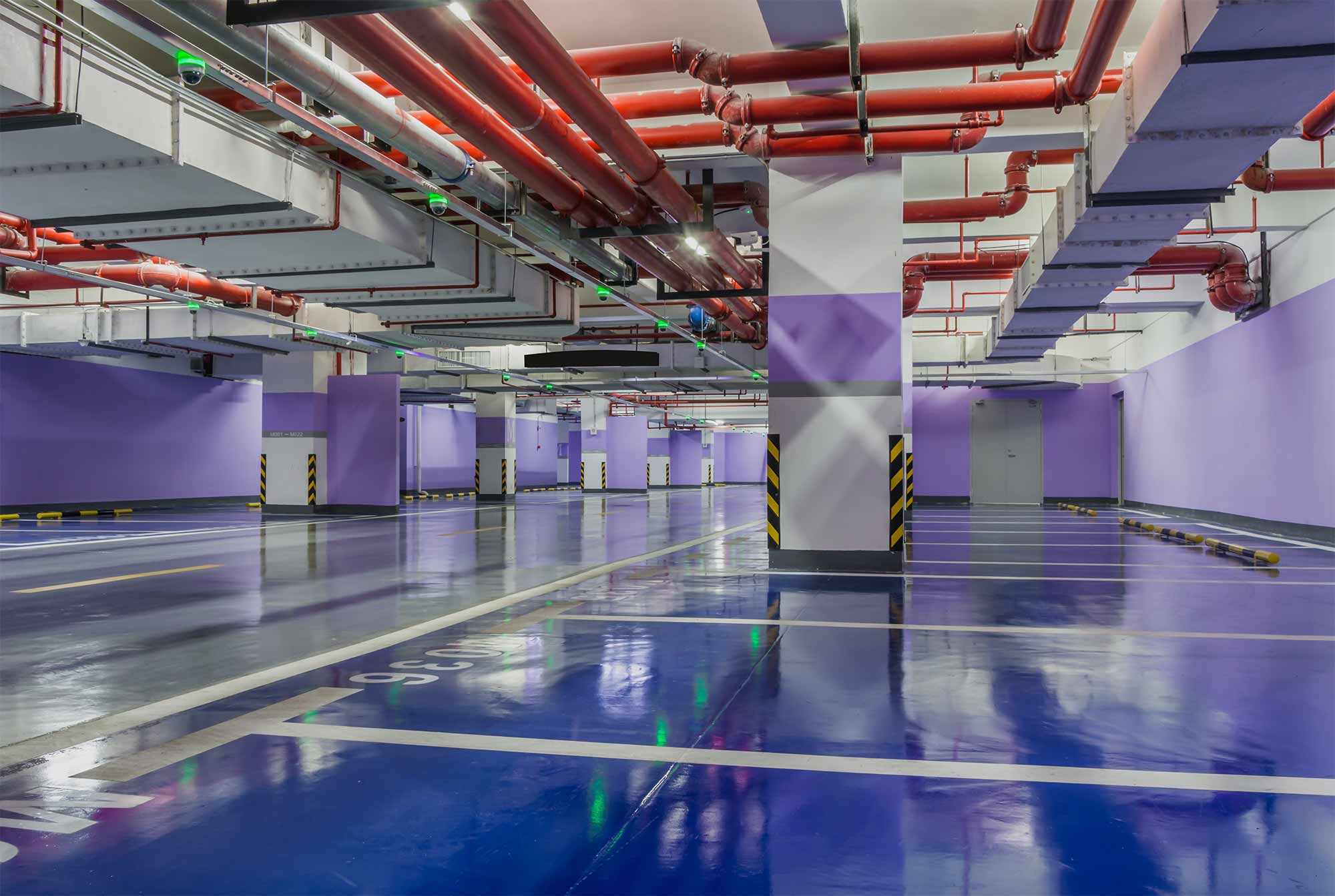
Nowadays, with development of these products (mainly thanks to aesthetics and amazing decorative nature), resin floors have become a very popular form of a surface finish in residential and public buildings. Resin floors can be found in garages, utility and boiler rooms, but also in corridors, kitchens and living rooms.
The advantages of epoxy resin floors are:
- high mechanical strength and a very good adhesion to various substrates,
- waterproof and seamless construction that prevents water from penetrating into the floor,
- resistance to most chemicals, including invasive cleaning agents,
- achievement of a desired colour, which can additionally be enriched with, for example, fine aggregates or decorative flakes,
- easy maintenance of surface hygiene.
POLYURETHANE RESINS
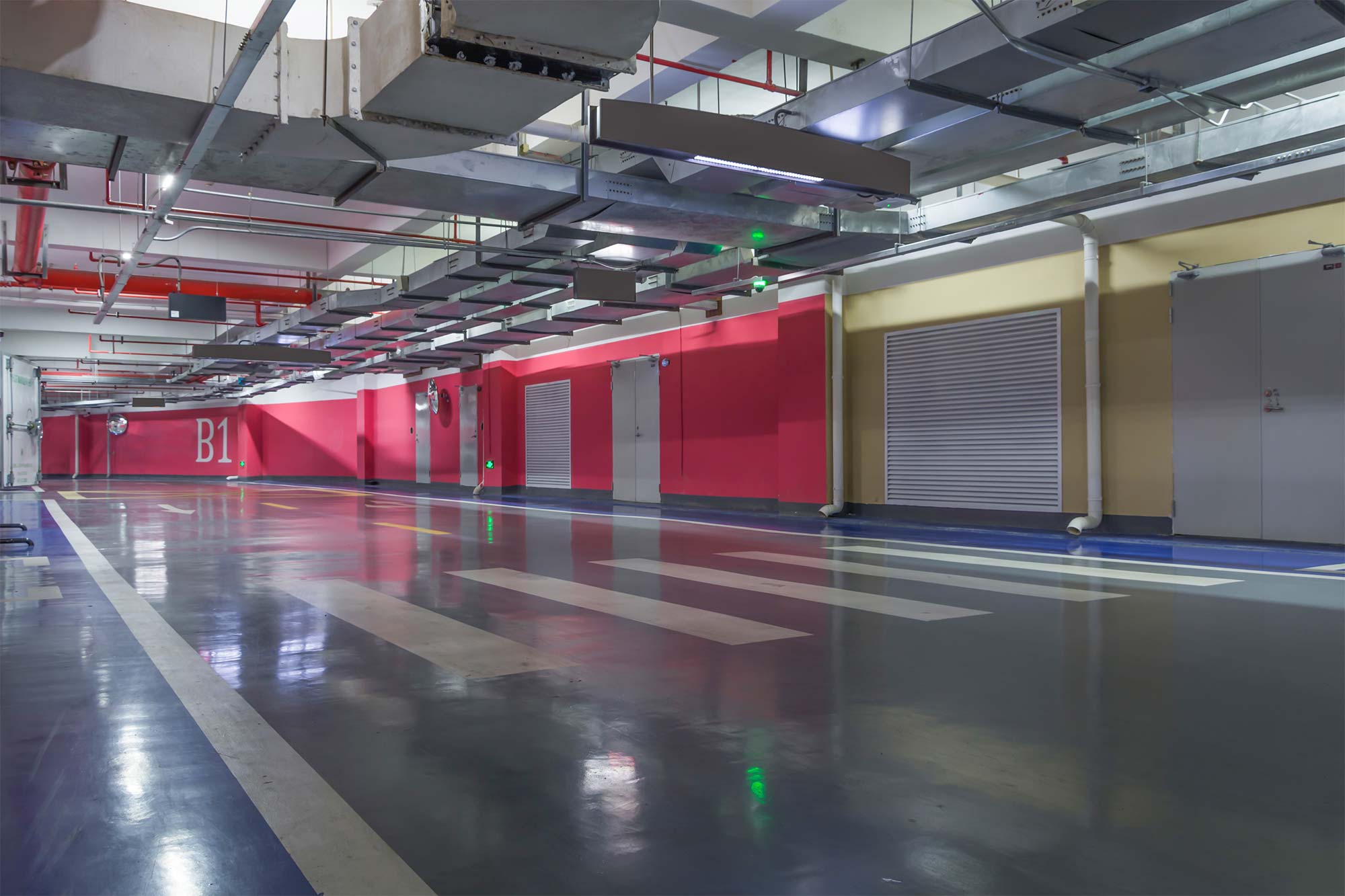
Polyurethane resins are also synthetic materials. They usually consist of 2-components, however, there are 1-component solutions available too. As a result of a cross-link reaction, they become low-melt and insoluble. Next to epoxy resins, they are the most commonly used material for resin flooring.
Polyurethane resins very often form a common system with epoxy resins. The requirement is, that the substrates, to which polyurethane layers are to be applied, are treated first with an epoxy, resin-based primer. At the same time, these polyurethane layers can be used as top-sealing coats for epoxy layers. Due to their high UV resistance, polyurethane resins can be used outdoors, e.g., as flooring on terraces and balconies.
The main advantages include:
- elasticity and a scratch-bridging ability,
- ability to form waterproofing layers,
- high UV resistance,
- impact resistance and a good abrasion resistance,
- very good adhesion to various substrates,
- resistance to most substances, including invasive cleaning agents and chemicals,
- they can be coloured and filled with fine aggregates or decorative flakes,
- easy maintenance of surface hygiene.
CONSTRUCTION RESINS
Optolith® construction resins – either on their own or in combination with additional materials – make it possible to create decorative surfaces. For instance, they can form a coloured glass or a coloured flakes effect. They can serve as binders in stone carpet systems as well.
Resin floors are usually not thick layers. The finished floor is usually 1-5mm, which is mainly dependent on the type of construction resin used. Other fillers applied, which relate to aesthetic aspects, are also crucial. The thinnest are formulated from a 1-component epoxy material. Those slightly thicker contain additional fillers. The most common additive used, is fire-dried and quartz aggregate in various fractions, which is used to form a rough and anti-slip layer. Other additives, such as glass beads, are used less frequently. Construction resins can also be sprinkled or decorated with coloured flakes.
SEALING RESINS
These products are designed to form a systemic and protective coating, which increases the floor’s resistance to chemical, mechanical and UV radiation impacts.
Depending on the area of application and the resulting exposure and stresses, sealing resins create the coating that requires specific performance and resistance.
For example, polyurethane coatings often provide surface protection for epoxy resins in outdoor flooring systems due to their increased UV resistance. Special requirements for encapsulating resins may also include:
- elasticity for scratch-bridging,
- high chemical resistance,
- increased mechanical, scratch and abrasion resistance,
- tightness for use on surfaces exposed to aggressive liquids, transparency of the coating, etc.
Above all, everyone always expects to see a good final effect. Sealing coats are responsible for achieving of both the desired colour and the final surface gloss. They also make it possible to carry out level markings.